Multimedia Art for Children
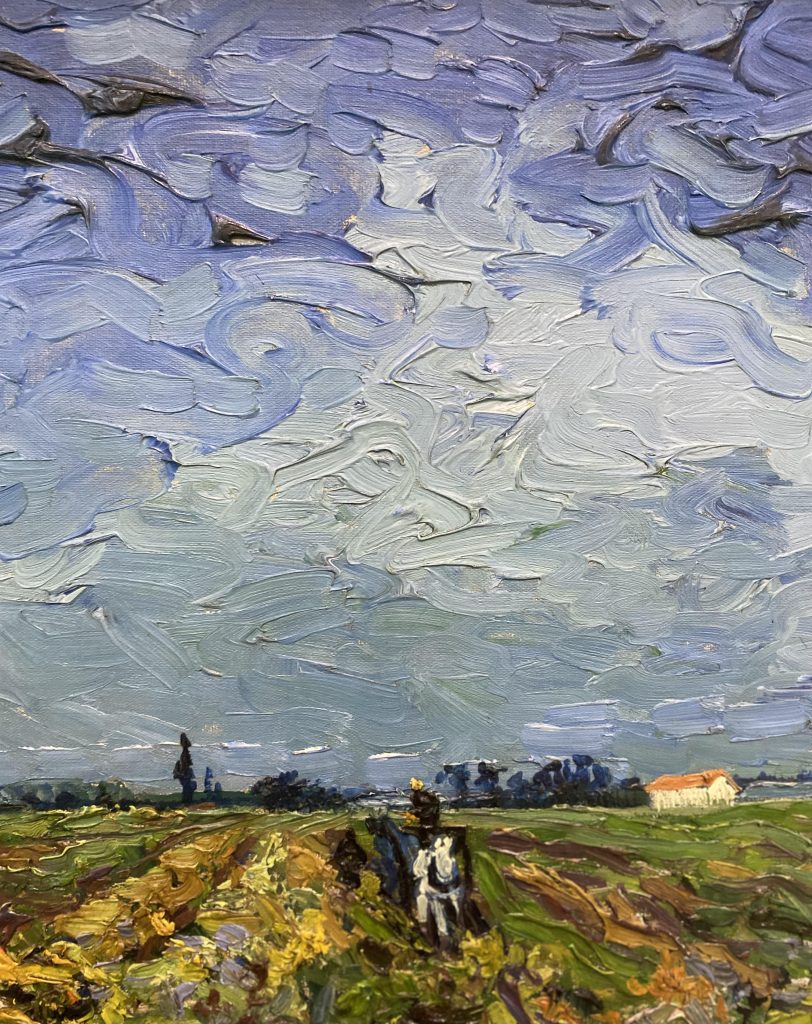
A recent visit to the Kröller-Müller Museum served as the perfect inspiration for introducing multimedia art to my students. Although multimedia was already part of the original lesson plan, the experience of being immersed in an extensive collection of Van Gogh’s works significantly influenced the development of this article.
Multimedia art for kids is a great way to engage them creatively while incorporating various mediums and techniques. It allows children to experiment with different materials and forms, enhancing their imagination and fine motor skills. Here are some fun and educational multimedia art ideas for kids:
1. Collage Creations
- Materials: Old magazines, colored paper, fabric, stickers, buttons, glue.
- Instructions: Encourage kids to create a picture or scene using various materials. For example, they could make an animal by cutting out different textures and patterns for the body, ears, and eyes.
2. Nature Art
- Materials: Leaves, flowers, twigs, stones, or sand.
- Instructions: Take kids outside to collect natural objects, then have them create a nature collage or sculpture. This is a great way to introduce them to the idea of using organic elements in their art.
3. Paint and Digital Art
- Materials: Watercolors, acrylic paints, tablet or computer with drawing software (e.g., Procreate or a simple app).
- Instructions: Start by painting a simple picture on paper (such as a landscape or a character). Then, digitize it and let kids experiment by adding digital effects or changing colors on a tablet or computer.
4. Salt Painting
- Materials: Watercolor paint, salt, heavy paper.
- Instructions: Have kids paint a picture with watercolor, then while it’s still wet, sprinkle salt on top. Watch as the salt absorbs the paint, creating interesting textures and patterns.
5. Sculpture with Clay and Fabric
- Materials: Air-dry clay, fabric scraps, buttons, glue.
- Instructions: Encourage children to create a sculpture (such as a small animal or character) using clay. Once it’s dry, they can use fabric and buttons to add accessories, like clothing or eyes.
6. Recycled Art
- Materials: Recycled items like bottle caps, cardboard, plastic, paper, glue.
- Instructions: Create art by repurposing household items. Kids can make robots, cars, or abstract sculptures from these recycled materials, helping them understand the importance of reusing and recycling.
7. Interactive Storybook Art
- Materials: Paper, markers, crayons, fabric, buttons, small toy figures.
- Instructions: Have children design pages for a storybook, using different textures and materials. For example, they can add fabric for a character’s clothes, buttons for eyes, or cotton for clouds. It can also be interactive by adding movable parts like flaps or pop-ups.
8. 3D Paper Art
- Materials: Colored paper, scissors, glue, markers.
- Instructions: Have children cut out shapes and assemble them into 3D forms. For example, create a 3D animal or building by folding and gluing different paper shapes together.
9. Stop-motion Animation
- Materials: Modeling clay or toys, camera or smartphone, animation app.
- Instructions: Kids can create simple stop-motion animations by moving clay figures or toys a little bit at a time, taking pictures between each movement. These pictures can then be turned into a short animated video.
10. Interactive Sound Art
- Materials: Recycled items, small speakers, sound-making objects (like bells, paper, or instruments).
- Instructions: Create a piece of art that also makes sound! Kids can design a colorful art piece and add bells, chimes, or other sound-making objects to it, allowing them to create a visual and auditory masterpiece.
These activities not only promote creativity but also help children explore new ways to express themselves through different media. Have fun with these projects!
Leave a Reply