Active Recall and Dual Coding in Practice: The Educational Value of Flashcards for Children.
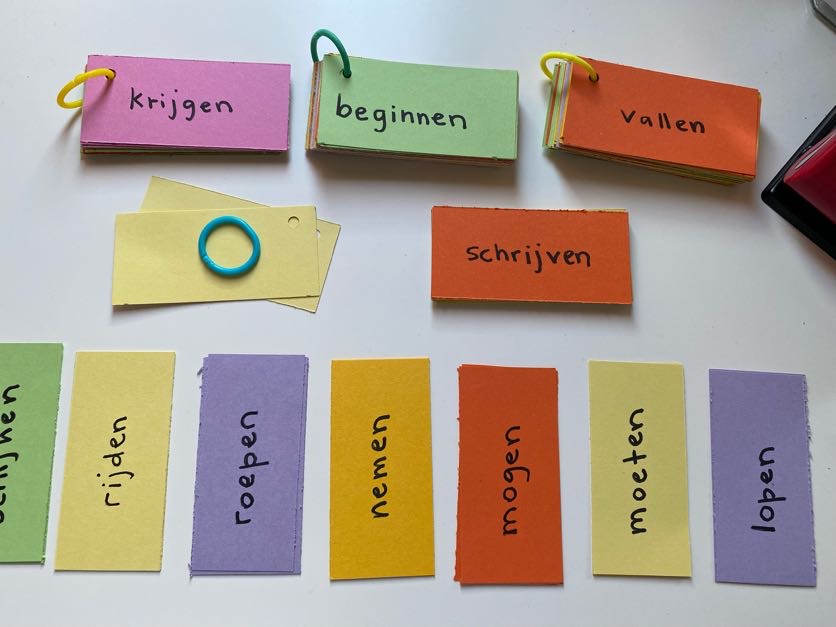
Flashcards and synoptic tables have always been part of the way I learn, and I genuinely enjoy making them. My set of Dutch irregular verb flashcards, in particular, inspired me to write this article.
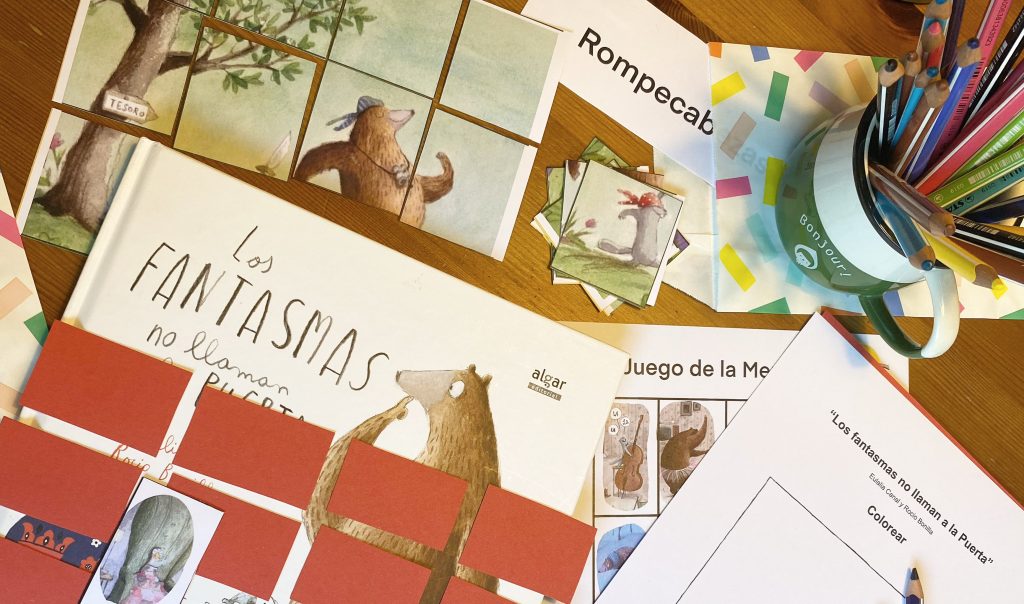
Flashcards are a widely used instructional tool that combine visual and verbal elements to support children’s learning. Their effectiveness can be understood through principles of cognitive psychology and educational research, which highlight the value of active recall, dual coding, and spaced repetition.
From a cognitive perspective, flash cards promote retrieval practice, the act of recalling information rather than simply reviewing it. Research has consistently shown that retrieval strengthens long-term memory and improves learning outcomes (Roediger & Butler, 2011). Unlike passive study methods, flashcards require learners to generate an answer, which enhances encoding and retention.
The visual design of flashcards also aligns with dual coding theory (Paivio, 1986). When information is presented in both verbal and visual formats, such as a picture of an animal paired with its name, children are more likely to form robust mental associations. This dual representation supports comprehension and recall, particularly for younger learners or children developing vocabulary in a second language (Nation, 2013).
Furthermore, flashcards can be integrated into spaced repetition systems, which introduce increasing intervals between review sessions. Research indicates that spacing learning episodes significantly enhances retention compared to massed practice (Cepeda et al., 2006). When flashcards are revisited over time, children strengthen memory traces and reduce the likelihood of forgetting.
Flashcards also provide opportunities for differentiated instruction. They can be tailored to developmental level, learning goals, or cultural context, making them versatile across diverse educational settings. Studies on early literacy and numeracy interventions have found that children benefit from the use of flashcards to support recognition of letters, words, numbers, and mathematical symbols (Ehri, 2014; Purpura et al., 2017).
In conclusion, the effectiveness of flashcards lies in their ability to combine visual cues with active recall and structured repetition. By drawing on established principles of memory and learning, flashcards represent a low-cost, adaptable, and evidence-based resource for supporting children’s cognitive development.
References
Cepeda, N. J., Pashler, H., Vul, E., Wixted, J. T., & Rohrer, D. (2006). Distributed practice in verbal recall tasks: A review and quantitative synthesis. Psychological Bulletin, 132(3), 354–380.
Ehri, L. C. (2014). Orthographic mapping in the acquisition of sight word reading, spelling memory, and vocabulary learning. Scientific Studies of Reading, 18(1), 5–21.
Nation, I. S. P. (2013). Learning Vocabulary in Another Language (2nd ed.). Cambridge University Press.
Paivio, A. (1986). Mental representations: A dual coding approach. Oxford University Press.
Purpura, D. J., Napoli, A. R., Wehrspann, E. A., & Gold, Z. S. (2017). Causal connections between mathematical language and mathematical knowledge: A dialogic reading intervention. Journal of Research on Educational Effectiveness, 10(1), 116–137.
Roediger, H. L., & Butler, A. C. (2011). The critical role of retrieval practice in long-term retention. Trends in Cognitive Sciences, 15(1), 20–27.
For some people, writing is a great way to express themselves. But if you find writing difficult, you might want to try drawing instead.
Drawing is one of the most basic and accessible forms of visual expression. Long before brushes or colored pigments were invented, early humans used charcoal, sticks, or sharp stones to draw on cave walls.
Some of the earliest known drawings—such as the famous cave paintings found in Lascaux, France, and Altamira, Spain—date back over 40,000 years. These artworks were created using natural materials like charcoal and ochre, showing that drawing has always been a fundamental human activity.
Studies have shown that drawing improves cognitive skills, including hand-eye coordination, fine motor control, and visual-spatial awareness. It also supports problem-solving and critical thinking by encouraging both kids and adults to observe closely and think creatively.
Drawing is a universal language. No matter where you are in the world, people can understand and appreciate a simple sketch. This ability to communicate without words is one reason why visual storytelling—such as comics and illustrations—is loved around the globe.
Drawing also lets your imagination flow. It allows people to bring to life things that don’t exist in the real world—whether that’s fantasy creatures, futuristic inventions, or abstract ideas. It’s a powerful form of self-expression that can release emotions or share personal stories.
Although some people may have a natural gift for drawing, it’s also a learnable skill that improves with practice. Whether you’re just starting out or already an experienced artist, regular drawing helps build your technique, creativity, and confidence.
Whether it’s a quick sketch or a detailed piece, drawing can be as simple or complex as you want it to be. It often begins with basic shapes and develops into something intricate and lifelike—showing just how versatile this art form can be.
Many people use drawing as a way to relax or practice mindfulness. It can reduce stress, improve focus, and offer emotional release. In fact, drawing is often used in art therapy to help individuals express themselves and work through trauma or emotional challenges.
Drawing Improves Observation Skills
Observational drawing is the practice of drawing what you see in front of you, using direct observation rather than memory or imagination. It improves your ability to capture realistic proportions, fine details, light, and perspective.
By carefully studying your subject—whether it’s a person, object, or landscape—you develop stronger hand-eye coordination and a deeper understanding of form and space. Observational drawing is a foundational skill for many types of visual art and helps build focus, patience, and visual awareness.
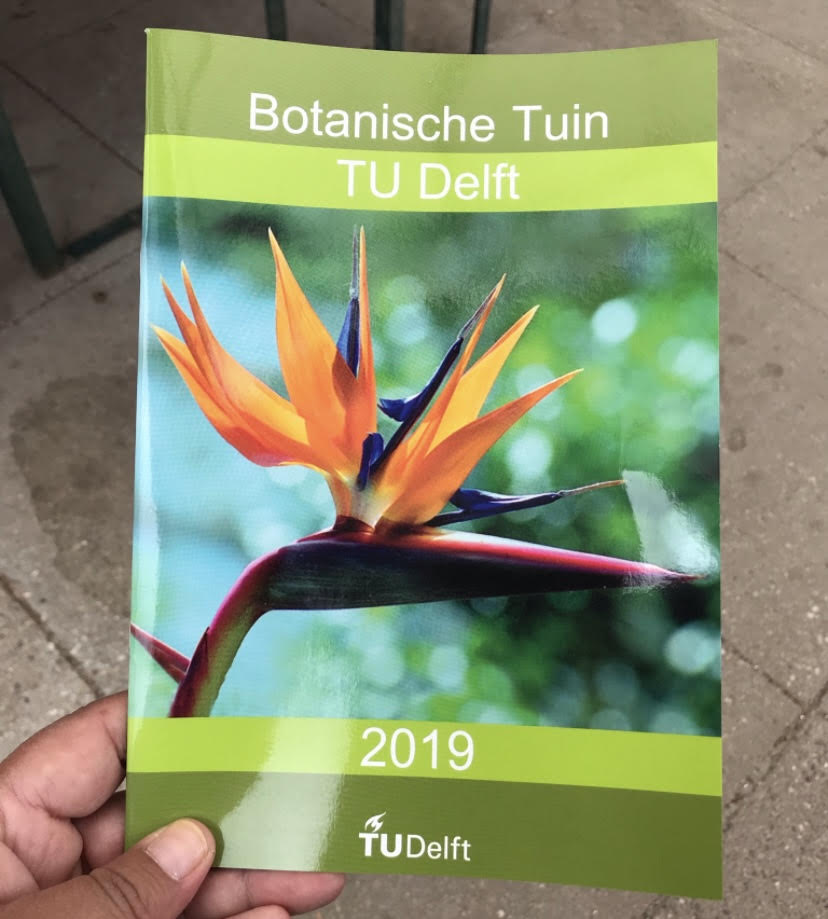
And because it’s never too late to start drawing, you might want to begin by playing with the basics: a simple sketchbook, a pencil, and an eraser. Since we’re going back to the basics, remember that playing is experimenting—and what better place to explore and be inspired than your nearest botanical garden?
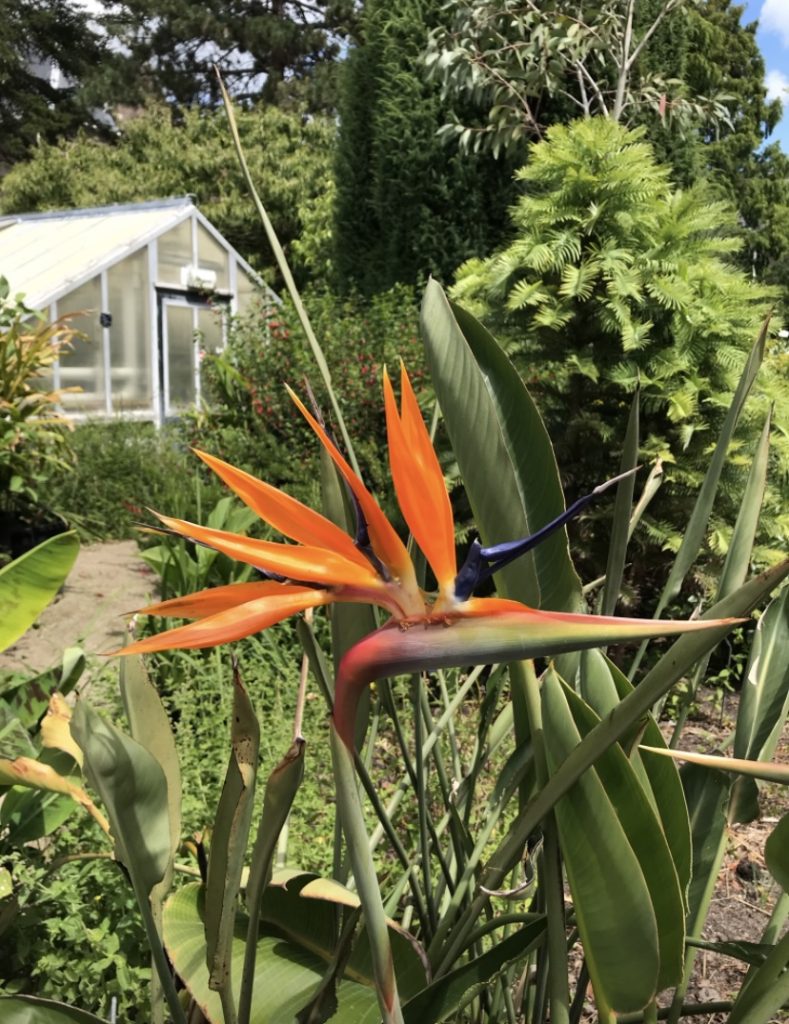
Whether it’s the shape of a simple leaf, a tropical plant that caught your eye in the glasshouse, or an exotic flower you’re seeing for the first time, let nature be your muse for those first lines.
And most importantly, remember: by playing, you’re experimenting—and with practice, things start to take shape. Just start, and let curiosity lead the way.
The Faces of Picasso: Exploring Art in Paper, Clay, and Glass
When I think of Picasso’s work, my mind goes into reverse film or slide mode. All the Picasso’s faces I’ve seen in museums and exhibitions start popping up one by one. Picasso’s faces are so distinct, with their bold lines, shapes, and expressions, that they almost seem to “project” themselves, much like images on a film reel or slide show.
It’s fascinating how Picasso’s exploration of faces, with all their emotional depth and geometric transformations, creates this kind of vivid mental imagery. His works seem to stay with you, each face representing a different moment or phase of his artistic journey. It’s as if every face he created is like a different frame in the ongoing story of his evolution.
Picasso isn’t just one of the greatest painters; he is also an endless source of inspiration. From his early drawings to his iconic paintings, his artistic journey led him to explore a wide range of mediums, including collage, oil painting, wood, bronze, textiles, various graphic techniques, ceramics, and even glassmaking.
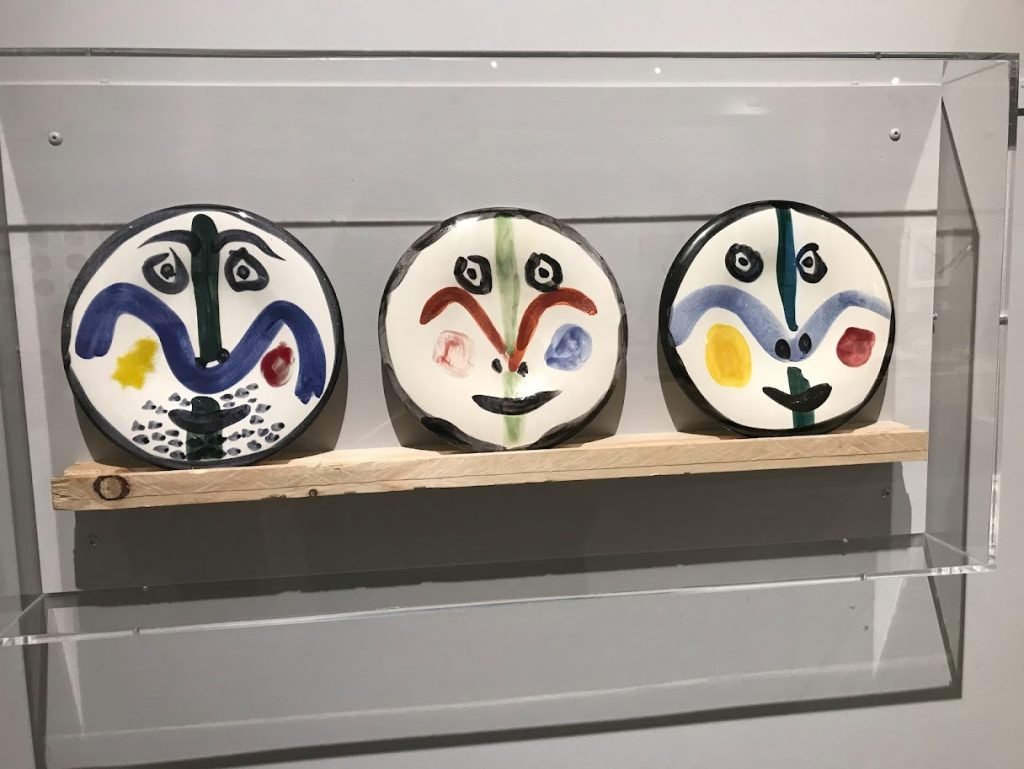
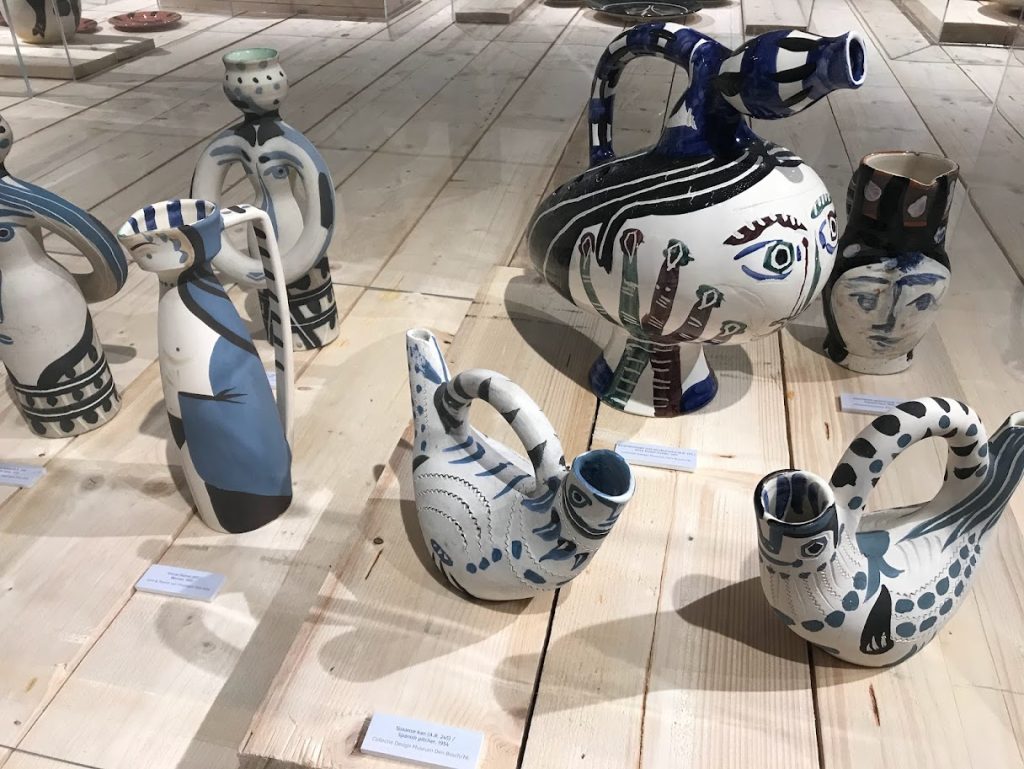
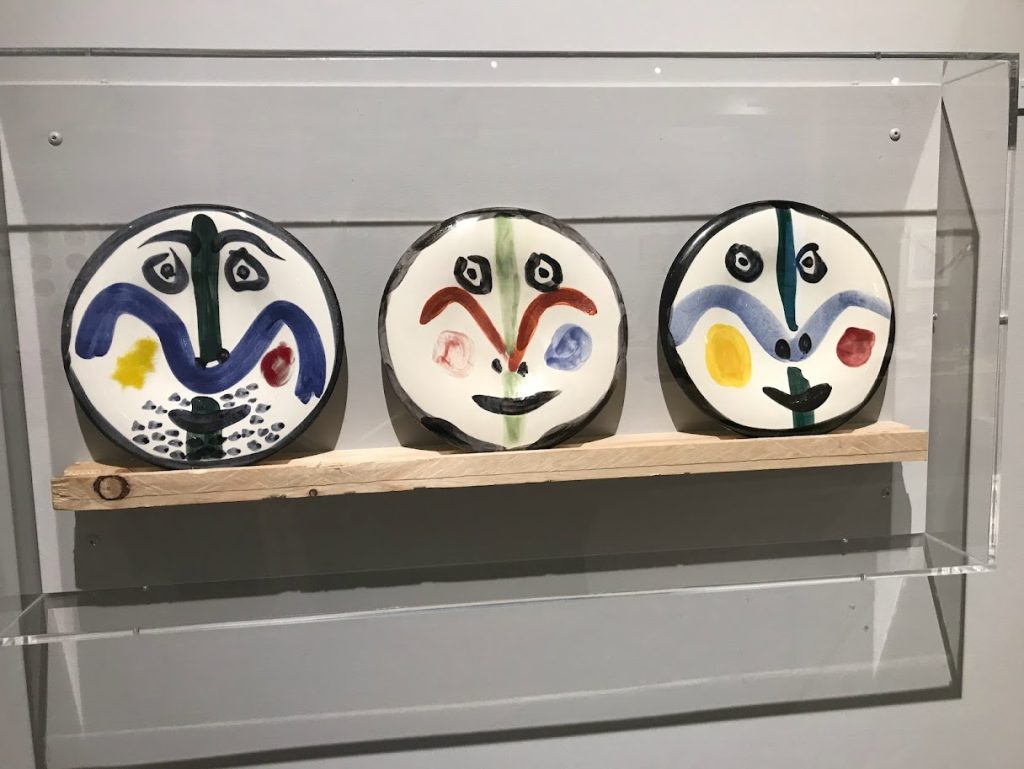
Last year, in commemoration of the 50th anniversary of Pablo Picasso’s passing, the Royal Delft Museum held an exhibition showcasing some of his remarkable ceramic works: Picasso. Ceramic Magician.
When you stand in front of a great artist’s work, the artist’s emotions speak to you. While Picasso was also an avid entrepreneur, and his faces became his signature brand, there was something much deeper beneath them.
Why faces? Where he found inspiration?
African masks offered Picasso a way to radically reimagine the human form, inspire emotional depth, and expand his artistic language beyond Western traditions. His famous painting, “Les Demoiselles d’Avignon” (1907), is often cited as being directly influenced by African masks. In this work, the faces of the women are rendered in a style that echoes the geometric, flat, and angular features seen in traditional African art. This marked a significant turning point in his career, transitioning him from a more classical approach to the pioneering techniques of Cubism.
“…The spirits, the unconscious, emotion, it’s the same thing. I understood why I was a painter… Les Demoiselles d’Avignon must have come to me that day – not at all because of the forms, but because it was my first canvas of exorcism -…”.
Picasso’s fascination with faces can be traced to several key aspects of his personality, his artistic evolution, and his desire to express complex ideas and emotions.
Exploration of Identity and Emotion:
Faces are the ultimate representation of identity and emotion. Picasso was deeply interested in capturing human expression and the inner complexities of people. Faces, with their ability to convey a wide range of emotions—from joy to sorrow, from anger to confusion—offered Picasso a way to explore these feelings in depth. Over the years, he experimented with how to depict faces to communicate not just physical likeness, but also emotional depth and personal identity.
Symbol of Human Connection:
Faces are central to human interaction, making them a universal symbol in art. Picasso was fascinated by how faces could convey the nuances of personal relationships and the human condition. His focus on faces allowed him to connect with his audience on a deeply emotional and universal level.
Breaking Convention and Experimentation:
As a revolutionary artist, Picasso wanted to break away from traditional ways of representing the human form. Rather than adhering to realistic portrayals, he experimented with abstract and cubist depictions of faces. By fragmenting and reassembling the face in his works, he challenged the way people viewed the world, showing that there are multiple perspectives of a single object or person. His fascination with faces allowed him to push boundaries in art.
Constant Reinvention:
Throughout his career, Picasso reinvented himself and his style many times. Faces were a central motif in that evolution, serving as a canvas for his different phases. Whether it was the classicism of his earlier works, the Cubist approach in the 1910s, or the more abstract and surreal faces in his later pieces, Picasso found new ways to approach the same subject matter, demonstrating his endless creativity.
Personal Life and Relationships:
Picasso’s personal relationships, particularly with women, heavily influenced his work. Many of his portraits and faces are representations of the important women in his life, such as his wives, lovers, and muses. His changing views of these relationships, and the emotions they stirred, were often expressed through his faces. The faces he painted and sculpted could represent love, heartbreak, passion, and sometimes even conflict.
A Form of Storytelling:
For Picasso, faces were not just about capturing a likeness—they were a way of telling stories. He often used the form of a face to symbolize deeper ideas or themes, whether it was the impact of war (as in Guernica) or the expression of inner turmoil. Faces allowed him to narrate personal and collective experiences.
In summary, Picasso’s fascination with faces was multifaceted. They served as a vehicle for emotional expression, a means to experiment with different styles, and a tool to explore identity, relationships, and the complexity of human existence. Faces were never static for Picasso—they were always evolving, reflecting his constant quest for new ways to see and interpret the world.
Exploring and Experimenting with Mediums
Picasso’s first drawings provide a fascinating glimpse into the early stages of his extraordinary artistic journey. From a young age, he displayed exceptional talent, capturing his surroundings with remarkable skill. His early works were grounded in realism, with portraits, still lifes, and sketches that showcased his technical mastery. However, even in these initial drawings, hints of his future innovations are evident—his ability to break down the human form and explore different perspectives was already taking shape. These early works laid the foundation for his later explorations in abstraction, offering rare insight into the development of one of the most influential artists in history.
Picasso’s paintings, filled with bold colors and unusual shapes, often feature faces that seem constructed from geometric forms like squares and triangles. He loved experimenting with different ways of representation, and each painting tells a unique story. Famous works such as Guernica (which depicts the pain of war) and The Weeping Woman (which conveys deep emotion) stand out as some of his most powerful visual statements.
Picasso was also a talented ceramic artist. Beginning in the 1940s, he worked with clay to create everything from simple plates to playful, colorful sculptures. His ceramics often featured faces and whimsical shapes, much like his paintings. Picasso’s experimentation with different textures and designs was a natural extension of his creative process, and his ceramics served as yet another medium for his boundless imagination.
In the 1950s and 60s, Picasso ventured into textile artwork, showcasing his bold creativity in a new form. He designed tapestries, rugs, and even clothing, incorporating his signature motifs—faces, shapes, and vibrant colors. Picasso’s textile pieces blended fine art with functional design, seamlessly bringing his iconic style into everyday life. These works reflect his constant drive to experiment with new materials and his ability to turn any surface into a canvas.
Later in life, Picasso began working with glass, carving and shaping it into unique pieces. These glass works were highly abstract, often incorporating themes such as faces and figures, much like his other art forms. His glass creations highlight his ability to think beyond traditional boundaries and explore new mediums with the same innovative spirit that defined his entire career.
In conclusion, Picasso’s exploration of faces through various mediums -whether on canvas, ceramics, textiles, or glass- demonstrates his relentless curiosity and boundless creativity. Each medium provided Picasso with a new way to express the complexity of the human form, breaking down and reconstructing faces in ways that challenged traditional perceptions of art. His ability to experiment with materials allowed him to continue evolving as an artist, offering fresh interpretations of the familiar and pushing the boundaries of artistic expression. Picasso’s faces, whether abstracted or playful, remain a testament to his genius, reflecting his constant drive to innovate and his belief that art should always be an adventure of discovery.
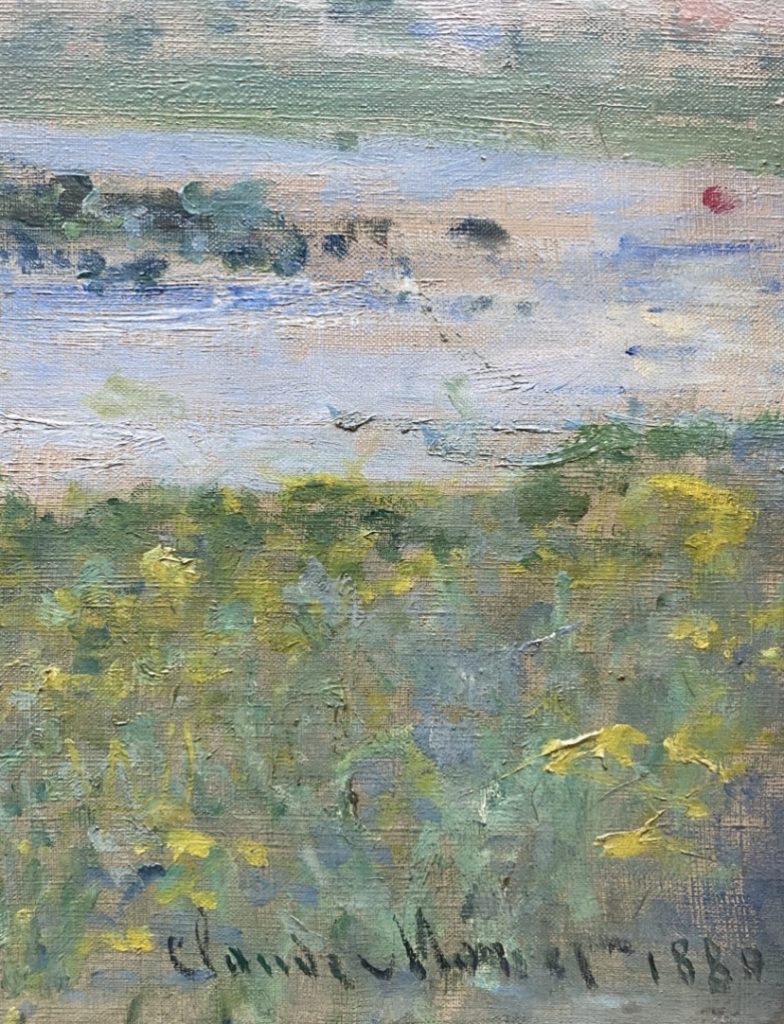
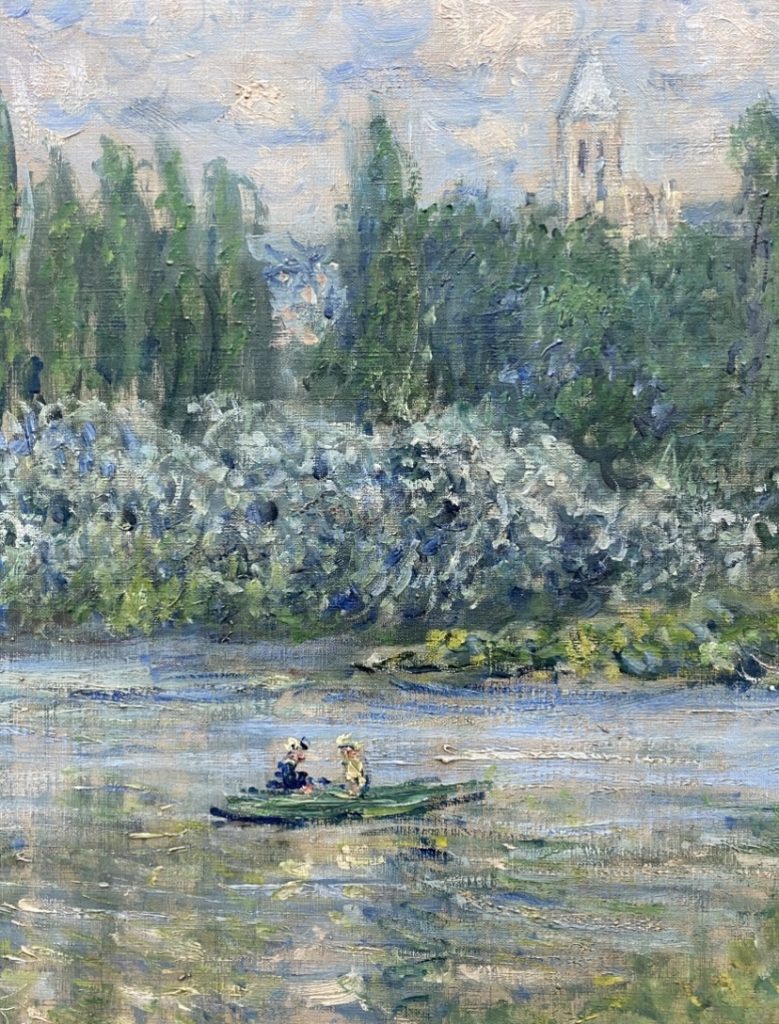
Last summer we visited the Alte Nationalgalerie in Berlin and I can’t fully describe how amazing the experience was. The Impressionist paintings were breathtaking, and you could stand right in front of them to truly appreciate their beauty. Claude Monet is one of my favorite artists, and I always enjoy sharing this experience with my students.
Introducing Monet’s art to children has many wonderful benefits, as it helps them develop a love for art, creativity, and nature. Here are some of the key benefits:
1. Encourages Creativity and Imagination
Monet’s art is full of color and emotion, which can inspire children to think outside the box. By looking at his work, kids learn that art doesn’t have to be about perfect details—it’s about expressing feelings and exploring new ways to show the world around them.
2. Improves Observation Skills
Monet often painted the same scene at different times of the day to show how the light and colors change. By looking at his paintings, children learn to observe the world around them more carefully, noticing details like how the light changes on flowers, trees, or water.
3. Promotes Emotional Expression
Monet’s paintings capture the feelings he had in nature whether it was the calmness of a pond or the beauty of a blooming garden. For kids, seeing how an artist can express emotions through colors and brushstrokes encourages them to use art as a way to express their own feelings.
4. Teaches About Nature and the Environment
Monet loved painting nature, especially gardens, ponds, and flowers. By exploring his art, children become more connected to the natural world and learn to appreciate the beauty of their surroundings. It can also spark their interest in gardening or exploring the outdoors.
5. Fosters Appreciation for Art History
Introducing Monet helps children understand that art has a long history and that many artists have contributed to shaping the world of art. Learning about Monet and the Impressionist movement can help children appreciate other artists and movements in history.
6. Builds Visual Literacy
Monet’s technique, using loose brushstrokes and focusing on light and color, teaches children to look at art from different angles and understand how artists use techniques to create feelings and effects. This helps children develop visual literacy, which is important for understanding all kinds of visual media.
7. Boosts Confidence in Art Making
Since Monet’s art is all about creating impressions and not focusing on tiny details, it can help children feel more confident in their own art. They learn that they don’t need to draw things perfectly, but instead, they can focus on expressing their feelings and ideas through color and form.
8. Promotes Relaxation and Mindfulness
Looking at Monet’s peaceful landscapes, like his serene water lilies and gardens, can help children feel calm and focused. They may also feel inspired to create their own artwork in a relaxed and mindful way, helping them manage stress and anxiety.
By introducing Monet’s art to children, you’re not only teaching them about an important artist but also giving them tools to develop their own creativity, emotional expression, and appreciation for the world around them.
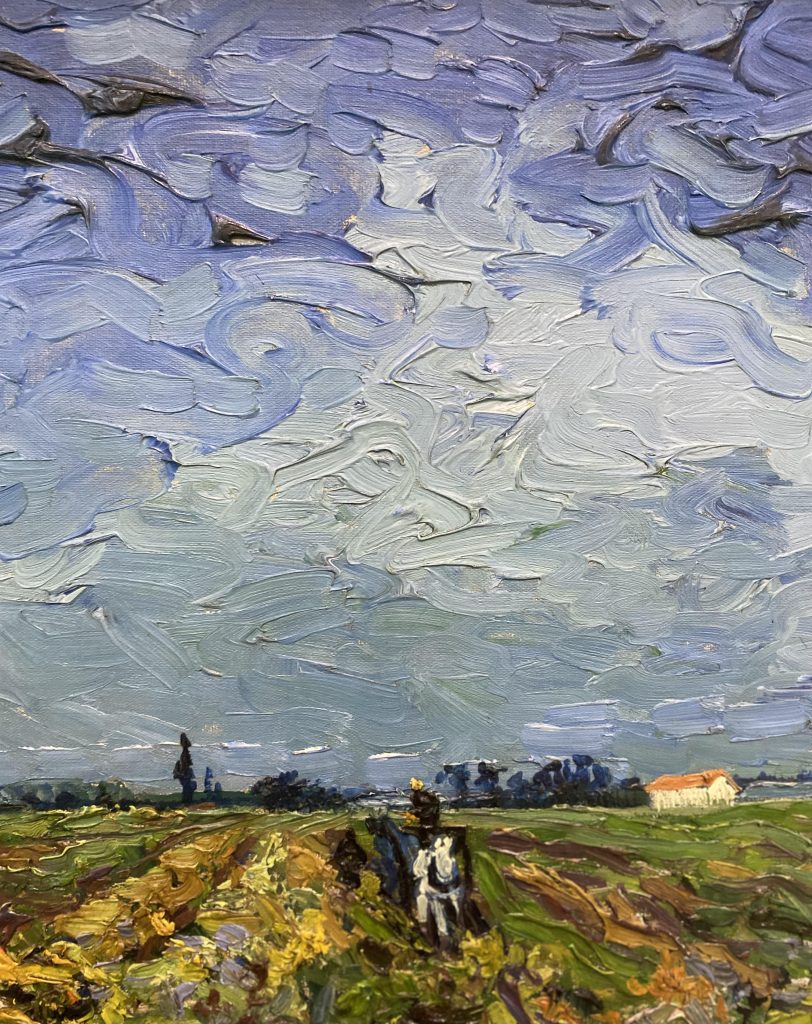
A recent visit to the Kröller-Müller Museum served as the perfect inspiration for introducing multimedia art to my students. Although multimedia was already part of the original lesson plan, the experience of being immersed in an extensive collection of Van Gogh’s works significantly influenced the development of this article.
Multimedia art for kids is a great way to engage them creatively while incorporating various mediums and techniques. It allows children to experiment with different materials and forms, enhancing their imagination and fine motor skills. Here are some fun and educational multimedia art ideas for kids:
1. Collage Creations
Materials: Old magazines, colored paper, fabric, stickers, buttons, glue.
Instructions: Encourage kids to create a picture or scene using various materials. For example, they could make an animal by cutting out different textures and patterns for the body, ears, and eyes.
2. Nature Art
Materials: Leaves, flowers, twigs, stones, or sand.
Instructions: Take kids outside to collect natural objects, then have them create a nature collage or sculpture. This is a great way to introduce them to the idea of using organic elements in their art.
3. Paint and Digital Art
Materials: Watercolors, acrylic paints, tablet or computer with drawing software (e.g., Procreate or a simple app).
Instructions: Start by painting a simple picture on paper (such as a landscape or a character). Then, digitize it and let kids experiment by adding digital effects or changing colors on a tablet or computer.
4. Salt Painting
Materials: Watercolor paint, salt, heavy paper.
Instructions: Have kids paint a picture with watercolor, then while it’s still wet, sprinkle salt on top. Watch as the salt absorbs the paint, creating interesting textures and patterns.
Instructions: Encourage children to create a sculpture (such as a small animal or character) using clay. Once it’s dry, they can use fabric and buttons to add accessories, like clothing or eyes.
6. Recycled Art
Materials: Recycled items like bottle caps, cardboard, plastic, paper, glue.
Instructions: Create art by repurposing household items. Kids can make robots, cars, or abstract sculptures from these recycled materials, helping them understand the importance of reusing and recycling.
7. Interactive Storybook Art
Materials: Paper, markers, crayons, fabric, buttons, small toy figures.
Instructions: Have children design pages for a storybook, using different textures and materials. For example, they can add fabric for a character’s clothes, buttons for eyes, or cotton for clouds. It can also be interactive by adding movable parts like flaps or pop-ups.
Instructions: Have children cut out shapes and assemble them into 3D forms. For example, create a 3D animal or building by folding and gluing different paper shapes together.
9. Stop-motion Animation
Materials: Modeling clay or toys, camera or smartphone, animation app.
Instructions: Kids can create simple stop-motion animations by moving clay figures or toys a little bit at a time, taking pictures between each movement. These pictures can then be turned into a short animated video.
10. Interactive Sound Art
Materials: Recycled items, small speakers, sound-making objects (like bells, paper, or instruments).
Instructions: Create a piece of art that also makes sound! Kids can design a colorful art piece and add bells, chimes, or other sound-making objects to it, allowing them to create a visual and auditory masterpiece.
These activities not only promote creativity but also help children explore new ways to express themselves through different media. Have fun with these projects!
Storytelling for children is a magical way to engage their imagination, creativity, and emotional understanding. Through the art of storytelling, children are introduced to captivating characters, exciting adventures, and important life lessons that can shape their worldview. It encourages them to think critically, relate to different perspectives, and explore the vastness of their imagination. Storytelling not only entertains but also helps children develop language skills, empathy, and a love for narratives. Whether told through words, pictures, or gestures, storytelling is an essential tool in nurturing a child’s emotional and cognitive growth, while fostering connections between storyteller and listener.
There are several creative and engaging options for storytelling that can captivate children and help them develop various skills. Here are some popular methods:
1. Oral Storytelling
Traditional Oral Storytelling: A storyteller uses their voice, expressions, and gestures to bring stories to life. This can be done in person, around a campfire, or in a classroom setting.
Interactive Storytelling: Involves asking children questions or encouraging them to participate in the narrative, making the story more dynamic.
2. Picture Books
Illustrated Stories: Picture books combine visuals with text, helping children connect words with images, enhancing their understanding and imagination.
Pop-up and Lift-the-Flap Books: These add a tactile, interactive element to storytelling, engaging children’s curiosity and making the experience more fun.
3. Storytelling Through Puppets or Dolls
Puppet Shows: Using puppets or dolls to act out characters and scenes in the story can make it more engaging and visually appealing, especially for younger children.
Interactive Play: Children can also be encouraged to create their own stories using puppets, developing their creativity and communication skills.
4. Digital Storytelling
Audiobooks and Podcasts: Digital storytelling can be heard via audiobooks, where professional narrators bring stories to life with sound effects and voices.
Animated Stories: Videos or apps that use animations to tell a story can captivate children and enhance their understanding of the narrative.
Interactive Story Apps: Apps where children can influence the direction of the story or make choices that impact the plot, allowing them to be part of the storytelling process.
5. Storytelling Through Drama or Role-Playing
Drama Activities: Children can act out stories themselves, using costumes and props to immerse themselves in the narrative. This helps develop their empathy, creativity, and social skills.
Role-Playing: By pretending to be the characters in the story, children can better understand emotions and situations while developing problem-solving skills.
6. Storytelling Through Songs or Rhymes
Musical Storytelling: Using songs or rhymes to tell a story can make it more memorable and fun. Children love rhythm and melody, which helps them remember the storyline.
Action Songs: These involve movement and gesture, allowing children to physically engage with the story, making it more interactive.
7. Comic Strips or Graphic Novels
Comics: Stories told through comics or graphic novels allow children to see both the text and the images at the same time, which is great for visual learners.
Storyboard Creation: Children can also create their own comics, enhancing their storytelling skills by sequencing images and text.
8. Story Circles or Group Storytelling
Collaborative Storytelling: Children take turns adding a sentence or idea to a group story, which fosters cooperation and creativity. This method also encourages children to listen carefully and think on their feet.
Storytelling Games: Games like “Story Cubes” or “Story Cards” encourage children to create stories from random prompts, developing their imagination and problem-solving abilities.
9. Shadow Play
Shadow Puppets: By using a light source and simple cut-out shapes or puppets, children can create stories with shadows. This adds an element of mystery and excitement to the storytelling.
10. Written Stories and Journals
Story Writing: Older children can try writing their own stories or keep a journal of their thoughts, experiences, and imaginations, which builds their writing and cognitive skills.
Story Journals: Children can illustrate and write their stories, creating a visual and textual narrative that they can share with others.
Each storytelling method has its own unique appeal and helps children develop different skills. Whether it’s through spoken word, interactive media, or physical play, storytelling for children is a versatile tool that nurtures creativity, communication, and emotional growth.
Conclusion
Storytelling is an invaluable tool for children, playing a crucial role in their cognitive, emotional, and social development. Through stories, children not only explore new worlds and ideas but also develop essential skills such as listening, creativity, empathy, and language. It enhances their ability to think critically, understand complex emotions, and build connections with others. Storytelling fosters a love for reading and learning, encourages imagination, and provides a safe space for children to explore and express their feelings. Whether through books, oral traditions, or interactive experiences, storytelling helps children navigate the world around them, shaping their future as confident, compassionate, and imaginative individuals.
In an age where screens dominate much of children’s time, encouraging them to explore nature through artistic expression can be incredibly valuable. Watercolour painting, in particular, serves as a bridge between creativity and the natural world, offering a unique way for children to observe, appreciate, and connect with their environment.
Let’s discover some exciting things about exploring nature through watercolour!
Encouraging Observation and Mindfulness
When children engage in watercolour painting outdoors, they develop a deeper awareness of their surroundings. Observing trees, flowers, rivers, and wildlife helps enhance their observational skills, allowing them to notice intricate details such as the subtle change in leaf colors or the movement of clouds in the sky. This practice fosters mindfulness, helping children to focus on the present moment and engage with nature in a meaningful way.
Stimulating Creativity and Imagination
Watercolour painting allows children to interpret the world around them in their own unique way. Instead of simply replicating what they see, they can experiment with colors, textures, and shapes to express their personal vision of nature. This creative exploration nurtures their imagination and problem-solving skills, encouraging them to think outside the box and develop confidence in their artistic abilities.
Enhancing Emotional and Mental Well-being
Spending time in nature has been proven to reduce stress and anxiety, and combining this with watercolour painting can have an even greater impact on a child’s emotional well-being. The fluidity of watercolours, which blend effortlessly on paper, can have a soothing effect, allowing children to express their emotions in a calm and therapeutic manner. The sense of accomplishment from creating a beautiful piece of art also boosts their self-esteem.
Strengthening Connection to the Environment
Children who regularly paint nature scenes develop a stronger bond with the natural world. As they learn to appreciate the beauty of landscapes, plants, and animals, they become more inclined to care for the environment. This early exposure to nature appreciation can cultivate a lifelong respect for sustainability and conservation efforts.
Developing Fine Motor Skills and Patience
Watercolour painting requires controlled brush movements and an understanding of water-to-paint ratios, which helps children refine their fine motor skills. The process of layering colors and waiting for paint to dry also teaches patience and perseverance, valuable qualities that extend beyond art into daily life.
Encouraging Outdoor Exploration
Incorporating watercolour painting into outdoor adventures can turn a simple walk into a creative expedition. Whether painting a scenic landscape at the park, sketching a garden, or capturing the essence of a beach day, children become more eager to step outside and engage with their environment. This activity makes time spent in nature even more exciting and purposeful.
Conclusion
Encouraging children to explore nature through watercolour painting offers countless benefits, from enhancing creativity and mindfulness to fostering a deeper connection with the environment. By integrating artistic expression into outdoor experiences, parents and educators can inspire children to develop a lifelong appreciation for both art and nature, enriching their overall development in a fun and meaningful way.