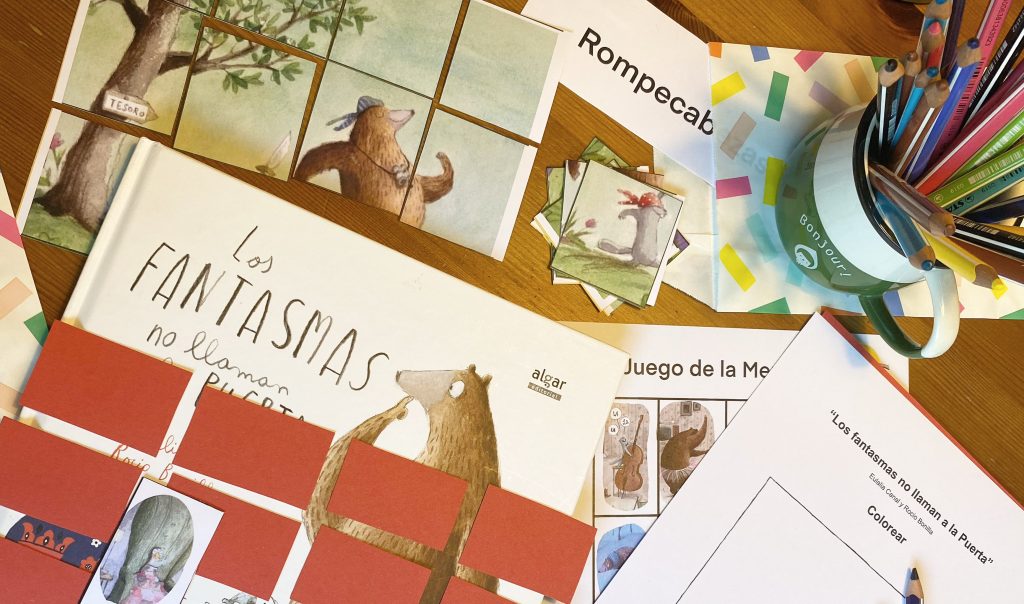
Storytelling for Children
Storytelling for children is a magical way to engage their imagination, creativity, and emotional understanding. Through the art of storytelling, children are introduced to captivating characters, exciting adventures, and important life lessons that can shape their worldview. It encourages them to think critically, relate to different perspectives, and explore the vastness of their imagination. Storytelling not only entertains but also helps children develop language skills, empathy, and a love for narratives. Whether told through words, pictures, or gestures, storytelling is an essential tool in nurturing a child’s emotional and cognitive growth, while fostering connections between storyteller and listener.
There are several creative and engaging options for storytelling that can captivate children and help them develop various skills. Here are some popular methods:
1. Oral Storytelling
- Traditional Oral Storytelling: A storyteller uses their voice, expressions, and gestures to bring stories to life. This can be done in person, around a campfire, or in a classroom setting.
- Interactive Storytelling: Involves asking children questions or encouraging them to participate in the narrative, making the story more dynamic.
2. Picture Books
- Illustrated Stories: Picture books combine visuals with text, helping children connect words with images, enhancing their understanding and imagination.
- Pop-up and Lift-the-Flap Books: These add a tactile, interactive element to storytelling, engaging children’s curiosity and making the experience more fun.
3. Storytelling Through Puppets or Dolls
- Puppet Shows: Using puppets or dolls to act out characters and scenes in the story can make it more engaging and visually appealing, especially for younger children.
- Interactive Play: Children can also be encouraged to create their own stories using puppets, developing their creativity and communication skills.
4. Digital Storytelling
- Audiobooks and Podcasts: Digital storytelling can be heard via audiobooks, where professional narrators bring stories to life with sound effects and voices.
- Animated Stories: Videos or apps that use animations to tell a story can captivate children and enhance their understanding of the narrative.
- Interactive Story Apps: Apps where children can influence the direction of the story or make choices that impact the plot, allowing them to be part of the storytelling process.
5. Storytelling Through Drama or Role-Playing
- Drama Activities: Children can act out stories themselves, using costumes and props to immerse themselves in the narrative. This helps develop their empathy, creativity, and social skills.
- Role-Playing: By pretending to be the characters in the story, children can better understand emotions and situations while developing problem-solving skills.
6. Storytelling Through Songs or Rhymes
- Musical Storytelling: Using songs or rhymes to tell a story can make it more memorable and fun. Children love rhythm and melody, which helps them remember the storyline.
- Action Songs: These involve movement and gesture, allowing children to physically engage with the story, making it more interactive.
7. Comic Strips or Graphic Novels
- Comics: Stories told through comics or graphic novels allow children to see both the text and the images at the same time, which is great for visual learners.
- Storyboard Creation: Children can also create their own comics, enhancing their storytelling skills by sequencing images and text.
8. Story Circles or Group Storytelling
- Collaborative Storytelling: Children take turns adding a sentence or idea to a group story, which fosters cooperation and creativity. This method also encourages children to listen carefully and think on their feet.
- Storytelling Games: Games like “Story Cubes” or “Story Cards” encourage children to create stories from random prompts, developing their imagination and problem-solving abilities.
9. Shadow Play
- Shadow Puppets: By using a light source and simple cut-out shapes or puppets, children can create stories with shadows. This adds an element of mystery and excitement to the storytelling.
10. Written Stories and Journals
- Story Writing: Older children can try writing their own stories or keep a journal of their thoughts, experiences, and imaginations, which builds their writing and cognitive skills.
- Story Journals: Children can illustrate and write their stories, creating a visual and textual narrative that they can share with others.
Each storytelling method has its own unique appeal and helps children develop different skills. Whether it’s through spoken word, interactive media, or physical play, storytelling for children is a versatile tool that nurtures creativity, communication, and emotional growth.
Conclusion
Storytelling is an invaluable tool for children, playing a crucial role in their cognitive, emotional, and social development. Through stories, children not only explore new worlds and ideas but also develop essential skills such as listening, creativity, empathy, and language. It enhances their ability to think critically, understand complex emotions, and build connections with others. Storytelling fosters a love for reading and learning, encourages imagination, and provides a safe space for children to explore and express their feelings. Whether through books, oral traditions, or interactive experiences, storytelling helps children navigate the world around them, shaping their future as confident, compassionate, and imaginative individuals.
Leave a Reply