Making the World Feel Closer
Teaching Cultures to Kids Through Crafting: Building Understanding One Project at a Time
We’ve just returned from spring break, and after a holiday, it’s always nice to ease back into routine with activities that help us reconnect. That’s why we decided to visit the Wereldmuseum (World Museum) in Rotterdam—a perfect spot where kids can explore and experience different cultures in a hands-on way.
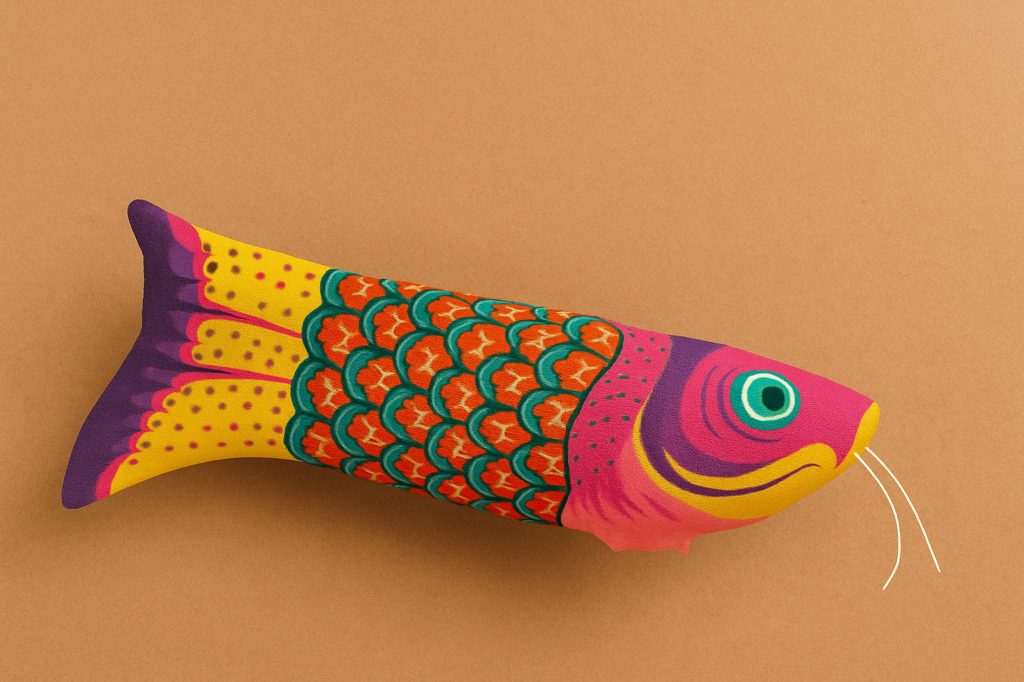
During our visit, the museum was celebrating Kodomo no Hi, Japan’s Children’s Day. The event featured a range of crafting activities inspired by this joyful Japanese festival, and we were excited to take part. We made colorful paper koinobori (carp streamers), tried some fabric printing, and of course, practiced a bit of origami.
In a world where diversity is all around us, helping children understand and appreciate different cultures is more important than ever. One of the most effective—and enjoyable—ways to do this is through crafting. When kids use their hands to create something rooted in a cultural tradition, they don’t just make art—they make meaningful connections.
Why Crafting Works for Cultural Learning
Children learn best by doing. Crafting gives them the opportunity to touch, shape, and personalize their learning. When a child paints a Mexican papel picado, weaves an African kente-inspired pattern, or molds a Chinese clay dragon, they are learning far more than technique. They are gaining insight into the beliefs, celebrations, and environments of the people who created those traditions.
Crafting opens the door for conversations: Why are these colors important? What does this symbol mean? Who would use this object, and when? These questions bring history, geography, and social understanding to life in a way that textbooks alone often can’t.
Making the World Feel Closer
Crafts give kids a global perspective from their own classroom or kitchen table. Through hands-on projects, they discover how people around the world live, express themselves, and celebrate. For example:
- Aboriginal Dot Painting (Australia): Teaches about indigenous storytelling through symbols and patterns.
- Henna Art (India and the Middle East): Introduces children to temporary body art used in celebrations and rituals.
- Totem Poles (Indigenous North America): Highlights how symbols and animals are used to represent family, heritage, and identity.
These projects can be paired with storybooks, music, or food from the same culture to create a full sensory experience that deepens understanding.
Encouraging Empathy and Respect
When children make something from another culture, they’re not just learning about what people do—they begin to understand why they do it. This builds empathy. Kids start to see that different doesn’t mean strange—it means rich, meaningful, and worth exploring.
Crafting helps dismantle stereotypes by focusing on beauty and complexity rather than difference or distance. A child who spends time crafting a Native American dreamcatcher or an African mask is less likely to grow up with one-dimensional or dismissive views of those cultures.
Ideas for Parents and Educators
You don’t need to be an expert in every culture to introduce kids to global crafts. Here are a few accessible project ideas:
- Japanese Origami Animals – Teach patience, precision, and appreciation of nature.
- Mexican Amate Bark Paintings – Explore bright colors and folk art traditions.
- Ghanaian Kente Cloth Paper Weaving – Learn about symbolism in colors and patterns.
- Día de los Muertos Sugar Skulls – Understand celebration of ancestors and joyful remembrance.
- Scandinavian Yarn Dolls – Show how toys reflect local materials and customs.
Each project can be accompanied by a short cultural lesson, a map showing where the tradition comes from, or a song in the language of that region.
Crafting a Kinder Future
Incorporating cultural crafts into kids’ lives is more than an arts-and-crafts hour—it’s a way to grow thoughtful, curious, and respectful global citizens. Through crafting, children discover that the world is full of vibrant stories, and that they, too, can be storytellers.
As their fingers shape clay, fold paper, or weave thread, their minds are also weaving empathy, creativity, and cultural understanding—one handmade piece at a time.
